
Before the headlines about OxyContin, before the fentanyl crisis took over the streets, and way before the Sackler family became a household name, America was already battling a massive opioid beast. We think of the opioid epidemic as a modern tragedy, but the blueprint was written over 150 years ago, right in the smoke and blood of the Civil War.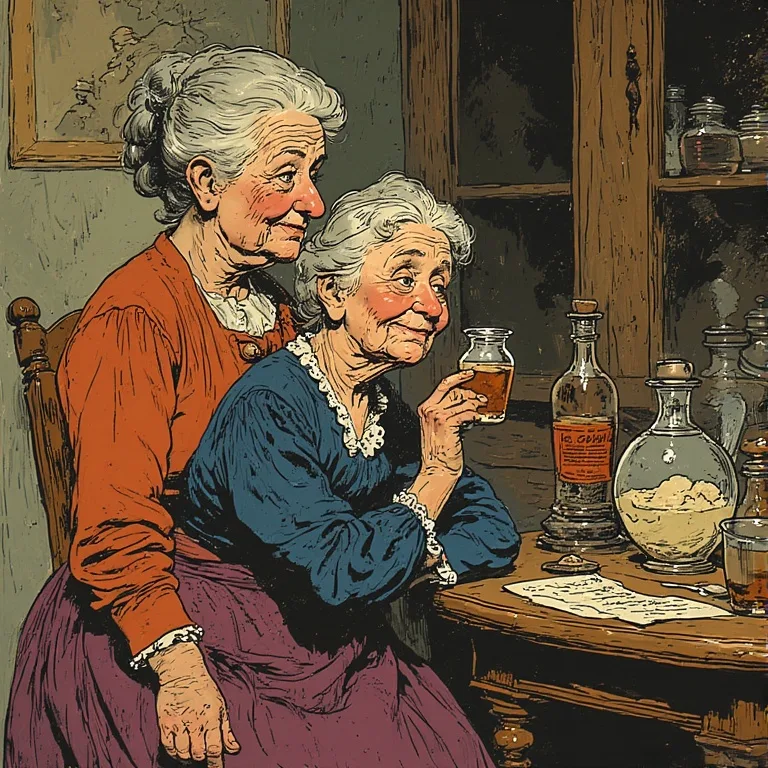
This wasn’t about cartels or back-alley deals. It started with Uncle Sam, a shiny new piece of tech, and a whole lot of pain.
Rewind to the 1860s. The Civil War was a meat grinder. You had musket balls shattering bones and field surgeons—often called “sawbones”—amputating limbs in tent hospitals with zero sanitation. The pain was unimaginable. The only thing standing between a soldier and absolute agony was morphine.
The hypodermic syringe was the cutting-edge tech of the day. Doctors were hyped on it. The medical logic on the street was that if you injected morphine straight into the vein, it bypassed the stomach, meaning—in their minds—it wouldn’t be addictive. They thought the “hunger” for the drug came from the gut. They were dead wrong.
Union and Confederate doctors were pumping morphine into soldiers to keep them fighting or just to keep them quiet. By the time Lee surrendered at Appomattox, thousands of veterans weren’t just coming home with scars; they were coming home with a heavy dependency. It got so bad that people called it “The Army Disease.”
But the crisis didn’t stay in the barracks. It seeped into the fabric of everyday life, and it hit a demographic you wouldn’t expect: middle-class housewives. Grandma Was Holding
In the late 19th century, there was no FDA. The Wild West wasn’t just out on the frontier; it was in the pharmacy. You could walk into a general store or flip through a Sears catalog and buy a syringe kit the way you buy a bubble today.
The real killers were “Patent Medicines.” These were the snake-oil cure-alls sitting on every family’s shelf. Got a teething baby? Give him Mrs. Winslow’s Soothing Syrup. Got “female troubles” or nerves? Take a swig of laudanum. These tonics were loaded with opium and alcohol, and nobody had to put a label on the bottle telling you so.
For decades, the face of addiction in America wasn’t a hustler on the corner; it was your grandmother sipping her “medicine” to get through the day.
By the turn of the century, the reality check hit hard. The government realized that a huge chunk of the population was hooked. The vibe shifted from “medical miracle” to “public enemy.”
First came the Pure Food and Drug Act in 1906, which basically said, “You have to tell people there’s heroin in that cough syrup.” Suddenly, the secret was out. Then came the Harrison Act of 1914, which effectively criminalized the non-medical use of opioids.
The doors slammed shut. Addiction, which had been treated as a medical side effect for veterans and grandmothers, was rebranded as a criminal moral failing. The supply went underground, the stigma skyrocketed, and the modern drug war began.
History has a nasty habit of repeating itself. The Civil War crisis proved that when you mix chronic pain, aggressive pharmaceutical marketing, and a lack of regulation, the result is always the same: a nation in recovery.