
In San Francisco, the legislative landscape treats a sugary 12-ounce soda and a glass bubble pipe with a striking contrast in fiscal philosophy. While the city views the “sin tax” as a righteous lever to fund community wellness—siphoning millions from the soda industry to pay for dental sealants and school gardens—the fiscal logic flips as you descend into the streets of the Tenderloin. Until very recently, the city didn’t tax the tools of drug use; it subsidized them. While a 12-pack of soda carries a mandatory surcharge to “save lives,” the glass pipes and aluminum foil used for fentanyl were distributed for free under the same “life-saving” banner, creating a surreal economic paradox where sugar is a taxable vice, but paraphernalia is a public utility.
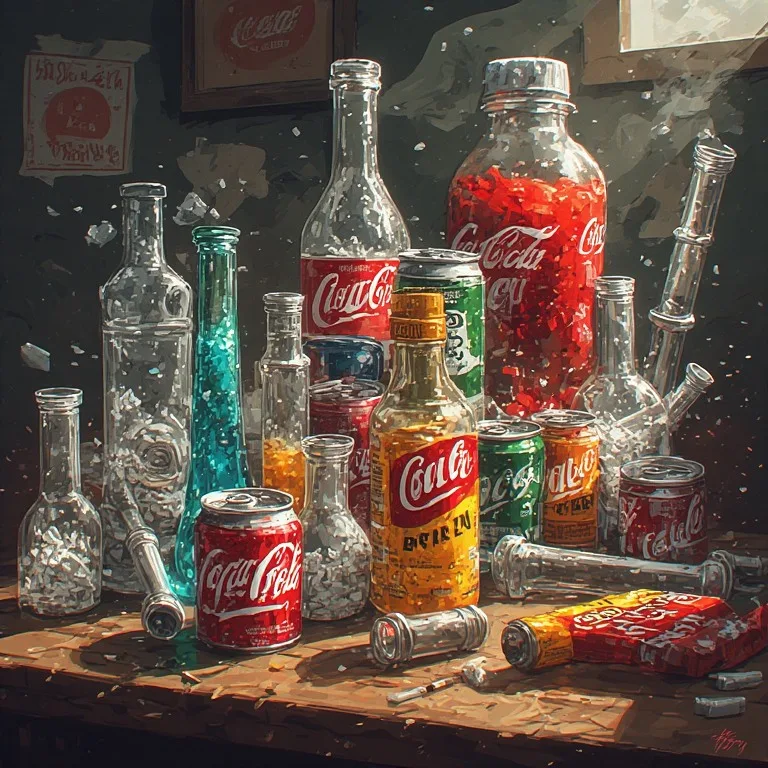
The Sugary Drinks Distributor Tax (SDDT) targets every ounce of liquid sugar and every gram of syrup and every canister of powder and every sports drink and every energy booster and every sweetened tea that crosses the city line.
The Revenue Mandate: The soda tax generates roughly $15 million annually, a Fuel source explicitly diverted to nutrition programs and physical activity grants. The Policy Pivot: As of the 2025-2026 enforcement surge, the city has moved to end the era of “no-questions-asked” paraphernalia distribution in public spaces. The Legal Fiction: Glass pipes and foil are never “taxed” because their sale as Drug Paraphernalia—defined as equipment Marketed for Use (the legal standard of intent) in consuming controlled substances—is technically a crime; they exist in a Gutter between health supplies and contraband.
The Fuel for the soda tax is the 1-cent-per-ounce levy that makes a 2-liter bottle significantly more expensive. The Fuel for the city’s drug supplies has traditionally been the General Fund, though recent mandates now require these items to be “bundled” with mandatory health interventions, effectively ending their status as a free, unfettered commodity.
San Francisco has decided that if you want to drink sugar, you must pay for the city’s health programs; but if you want to smoke fentanyl, the city will no longer provide the pipe for free unless you agree to let them try to save your life.