
The global phenomenon of K-pop is often analyzed through the lens of modern digital production, yet its foundational DNA is rooted in a profound historical transition where vast geopolitical shifts ultimately reshaped the intimate, sonic textures of South Korean youth culture.
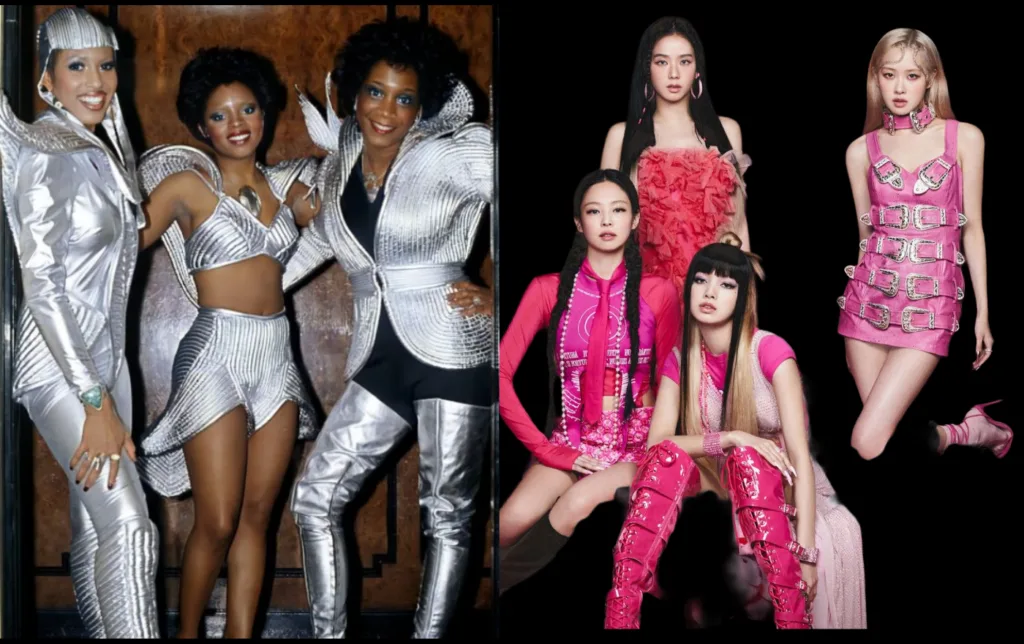
During the 1970s, the landscape of South Korean music underwent a quiet Folkmorphosis. As the nation navigated the tense realities of authoritarian rule and rapid industrialization, the airwaves began to absorb the distinct, syncopated rhythms of American rhythm and blues (R&B). This cross-cultural friction ignited a Folkmorphosis by which foreign musical traditions were systematically deconstructed, localized, and reborn. The early iterations of this fusion were driven by a desire to channel raw, soulful expression through a distinctly Korean emotional lens, filtering the complex vocal ornamentations of Motown and Philly soul into acoustic arrangements and traditional melodic sensibilities.
This sonic evolution was not a linear imitation, but rather an expansive blossoming of a new creative ecosystem. The movement grew to encompass the acoustic melancholy of the early folk pop pioneers, and the intricate vocal harmonies of pioneering studio ensembles, and the eventual late-night, atmospheric synth arrangements of urban radio, and the high-energy, synchronized choreography that defines the modern industry. Through this relentless synthesis, the raw emotionality of 1970s R&B was preserved even as the packaging became increasingly futuristic.
Within this transformation lies a profound truth about cultural adaptation: The Law of Sonic Ingestion—the principle that a displaced musical genre will inevitably shed its geographic markers to mirror the collective psyche of its new host. South Korean artists did not merely adopt R&B; they internalized its syncopation to give voice to their own generational anxieties and aspirations.
This historical lineage serves as the foundational Fuel for the contemporary K-pop machine. The syncopated basslines, the sophisticated vocal layering, and the expressive, melismatic vocal runs that dominate today’s global charts are directly inherited from those 1970s soul records. That vintage American rhythm remains the underlying engine, propelling highly polished, multi-million-dollar audio-visual productions into the stratosphere of global media.
Ultimately, the journey from the smoky, underground listening clubs of 1970s Seoul to the flashing neon lights of modern stadiums reveals that K-pop’s futuristic veneer is built upon a deeply soulful foundation. By tracing the genre back to its R&B ancestry, we see that the dazzling complex of global pop is, at its heart, an old soul singing a new song.