
The public collision between Donald Trump and Italian Prime Minister Giorgia Meloni offers a clear look at how personal rhetoric can disrupt international relations. When Meloni diverged from Washington on key geopolitical positions, Trump’s response moved away from standard policy disagreements, shifting instead into a public attempt to diminish her professional standing.
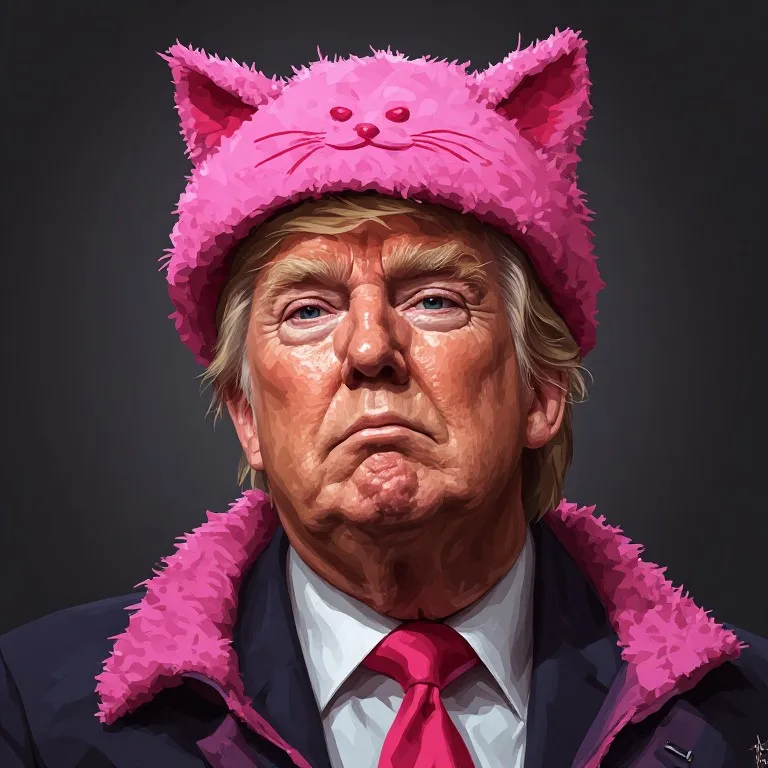
By claiming that a female head of state begged him for a photograph and that he only complied out of pity, Trump used a tactic designed to undermine her authority and frame her as dependent on his validation.
This incident fits into a well-documented, decades-long pattern where Trump uses personalized attacks to target women who challenge or disagree with him. Over the years, he has frequently used disparaging rhetoric against figures like Megyn Kelly, Carly Fiorina, Rosie O’Donnell, Hillary Clinton, and Michelle Obamaa pattern further illustrated by his recent personal attacks against NBC’s Kristen Welker when pressed for evidence on election claims. These attacks often rely on a specific playbook: focusing on physical appearance, questioning emotional stability, or portraying them as desperate for his approval.
In the context of international diplomacy, reducing statecraft to personal insults does more than just damage individual relationships; it strains formal alliances. When a leader uses their platform to publicly humiliate an ally rather than engage on policy, it compromises the mutual respect and trust required for global cooperation, ultimately lowering the standard of political discourse for everyone involved.