
Across California, new laws try to save the planet by forcing big supermarkets to donate their leftover food instead of throwing it away. Stores love this because dumping food at the trash station costs over 220 dollars a ton. By calling their rotting vegetables a donation, the stores get a big tax break and save tons of money. But this leaves local food banks stuck with the bill to sort through pallets of moldy produce and pay to throw the real garbage away.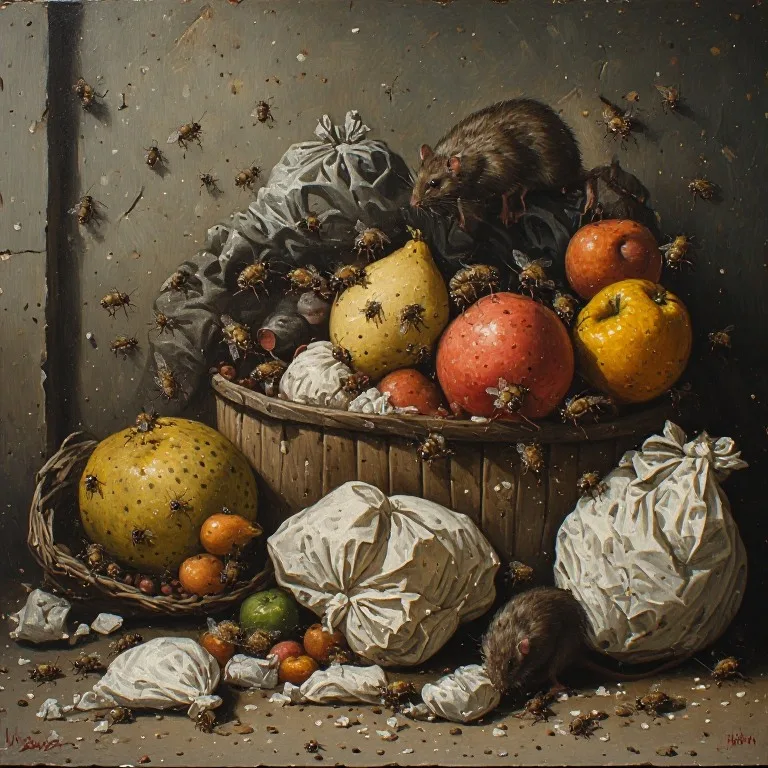
At the same time, big medical programs are pumping millions of dollars into Food as Medicine projects. Doctors are now handing out prescriptions for giant bags of raw fruits and vegetables to low-income patients. The clinics and food banks measure their success by how many thousands of pounds of food they push out the door. When the food bank warehouses get too full, they dump massive amounts of these perishable vegetables onto small neighborhood pantries, forcing them to take the extra weight.
But this system completely ignores how poor people actually live in San Francisco. Thousands of low-income seniors and families live in tiny Single Room Occupancy hotel rooms, also called SROs. These rooms do not have real kitchens or full stoves. Most residents only have a single electric hotplate or a small microwave, making it impossible to cook heavy raw squash or potatoes. SRO rooms also have tiny mini-fridges that cannot hold giant boxes of celery and cabbage, so the fresh food rots in a warm room within two days.
To survive, residents take these heavy bags to the sidewalks of the Tenderloin and Chinatown. Elderly grandmothers set up blankets and cardboard boxes on the corners to sell the unwanted food for quick cash. They price items like cans of tuna, cereal, and sacks of rice for fifty cents to two dollars. The five or ten dollars they make from selling the food bank items lets them buy things they actually need, like fresh Chinese vegetables, warm meals, or life-saving medicines.
This street market becomes dangerous when seniors start selling perishable items like milk, cheese, and yogurt. Dairy products need to stay cold, below forty degrees, to be safe. When these items sit out on a warm sidewalk for hours, the cold chain breaks. Dangerous bacteria grow fast in the sun, turning the milk sour and creating a major risk for food poisoning. Health inspectors want to stop it, but taking food away from poor grandmothers who are just trying to survive creates a total nightmare for the city.
When the sidewalk markets pack up, tons of crushed, leaking produce and sour dairy are left behind in the gutters. This wet, sugary sludge creates an all-you-can-eat buffet for urban pests. Norway rats love the high-calorie food and sugary juices. Because they have an endless supply of street food, the rat population explodes and females have much larger litters. Thousands of flies and cockroaches also lay eggs in the rotting fruit and follow the sticky trails left on the concrete.
When real disaster happens when these exploding pest populations move from the streets into the buildings. Rats and roaches follow the food smells directly through plumbing gaps and old baseboards into the SRO rooms. Because landlords are slow to fix the bugs, desperate tenants buy cheap, illegal pest poisons and chemical chalk sold on the very same street corners. When they spray these toxic, unlabeled chemicals inside their tiny, unventilated rooms, the residents end up breathing in dangerous poisons right next to their beds. This entire toxic loop is paving the way for a massive class-action lawsuit on behalf of the low-income tenants who are getting sick from the fallout.