
Across California, new laws try to save the planet by forcing big supermarkets to donate their leftover food instead of throwing it away. Stores love this because dumping food at the trash station costs over 220 dollars a ton. By calling their rotting vegetables a donation, the stores get a big tax break and save tons of money. But this leaves local food banks stuck with the bill to sort through pallets of moldy produce and pay to throw the real garbage away.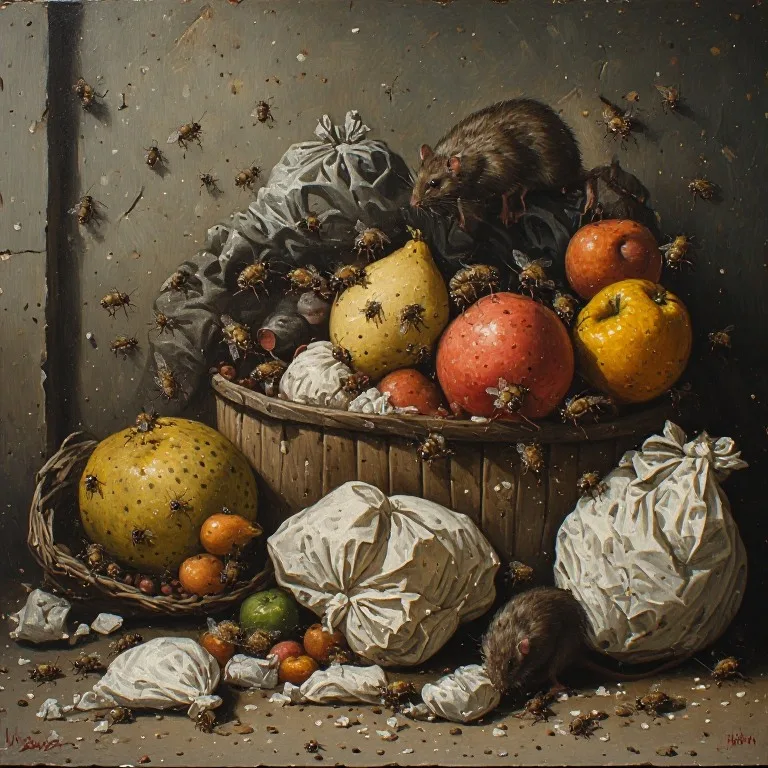
Tag Archives: SRO Housing
Government cheese
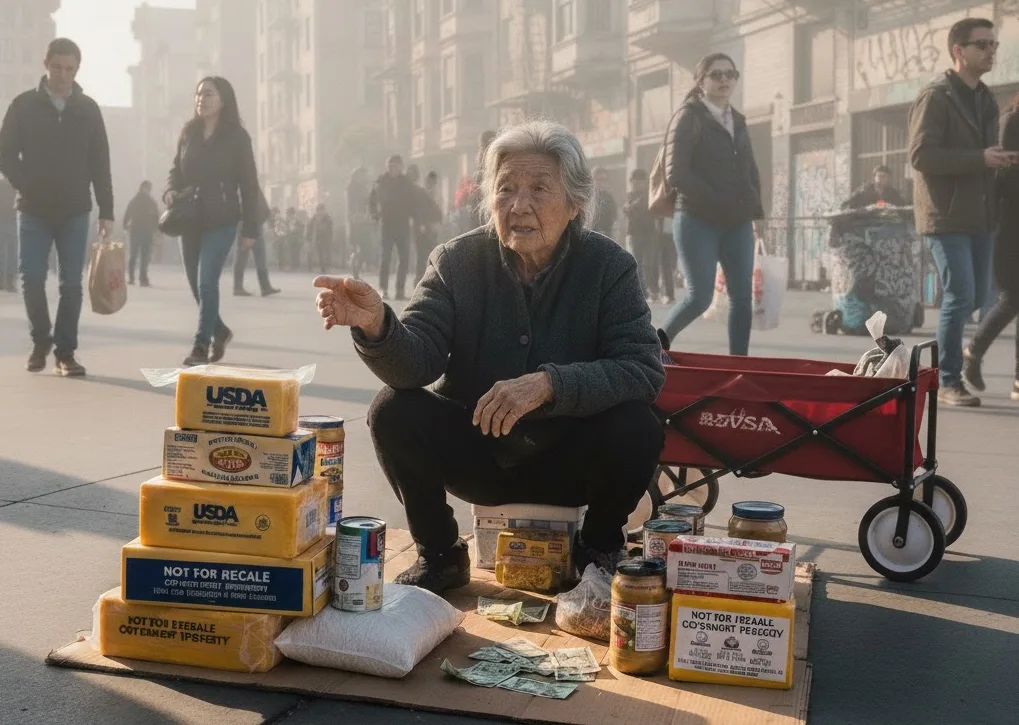
The tension on the streets of San Francisco has reached a boiling point where “government cheese” and vacuum-sealed meats—once symbols of a communal safety net—have been weaponized into commodities for a sidewalk shadow economy. To many observers, this isn’t just a minor infraction; it is a total disrespect of the social contract and a subversion of the intended charity. What was designed to nourish the hungry is instead being stacked on milk crates, creating a friction point where the “Belt and Road” of global trade meets the desperate “Silk Road” of the SRO sidewalk.
THC and its backdoor move into the SF real estate market.
In the grand, fog-swept theater of San Francisco’s political economy, the passage of Proposition C represented a seismic shift from the Macro—a high-altitude tax on corporate giants—to the Micro—the street-level acquisition of decaying hotels by powerful nonprofit entities. While framed as a humanitarian crusade, the reality in 2026 is a sophisticated financial maneuver. At the heart of this sits the Tenderloin Housing Clinic (THC), an organization that has mastered the Master Lease—a system where a nonprofit leases an entire building from a private landlord—turning social policy into a lucrative real estate backdoor.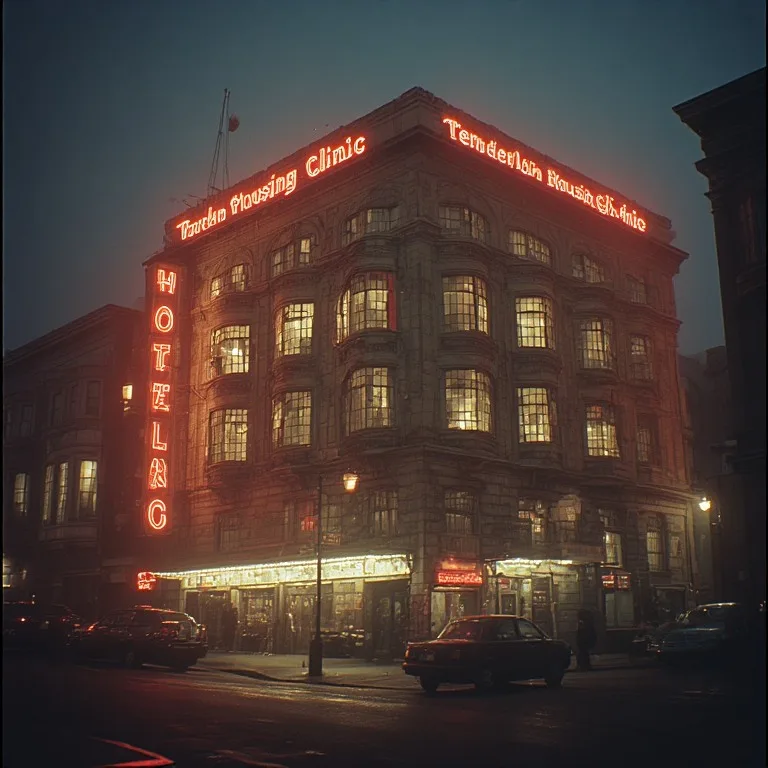 Continue reading