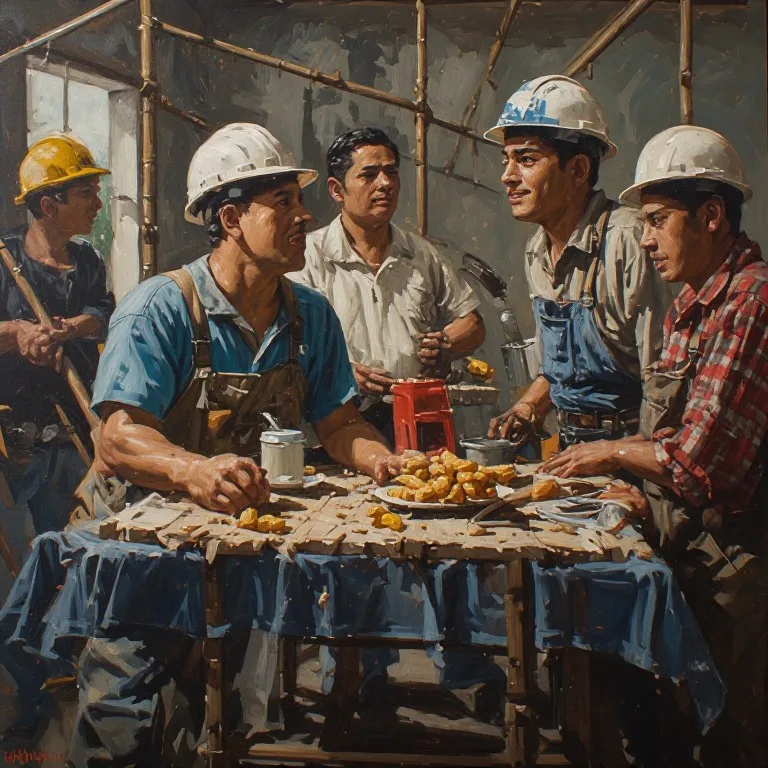
The transformation of the modern American political landscape does not happen in the sterile vacuum of a campaign office or within the polished focus groups of Washington consultants. It happens on the scaffolding of suburban developments, and in the quiet back pews of parish churches, and across the grease-stained dinner tables of blue-collar households. To truly understand the emergence of the conservative Latino voter in the Sun Belt, one must completely discard the grand, sweeping narratives of national media outlets and look instead at the local convergence of economic mobility, institutional faith, and the grueling daily discipline of physical labor.
Dataho
willie S joyce